On every electrical job, worker safety and quality connection points. However, relying on power tools can lead to unnecessary risks. Two common, yet costly, mechanical failures occur when utilizing powered drills and specialized torque tools – drill slippage and over-torquing.
Drill slippage is a common mistake where the fast-spinning bit pops out, potentially causing painful cuts and punctures to the worker. It can also damage expensive finished surfaces like drywall. For contracting firms, these types of hand injuries can result in increased workers’ compensation claims and significant project delays.
Over-torquing occurs when excessive force is applied to a terminal screw, causing the device to break, strip or develop stressed connections. It’s necessary for contractors to understand the technical consequences of applying excessive force, even if the device doesn’t immediately break.
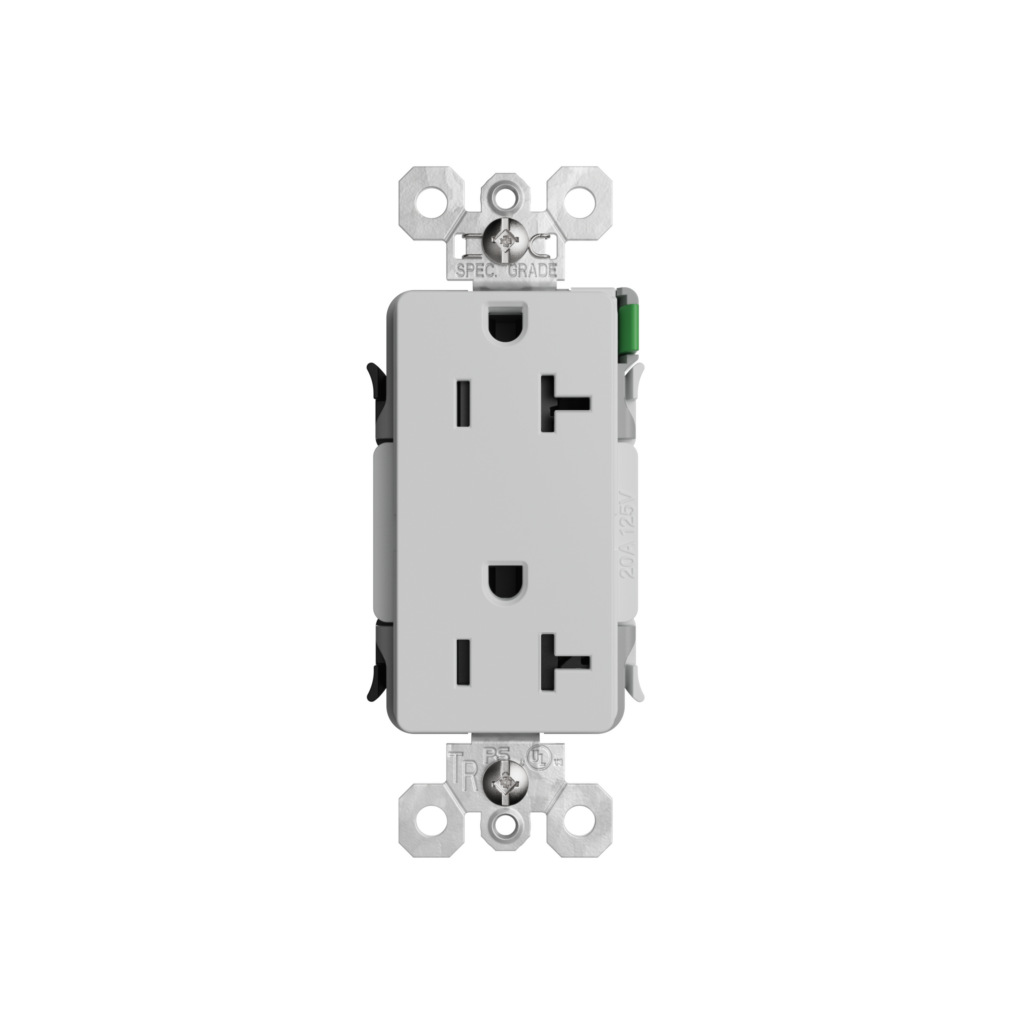
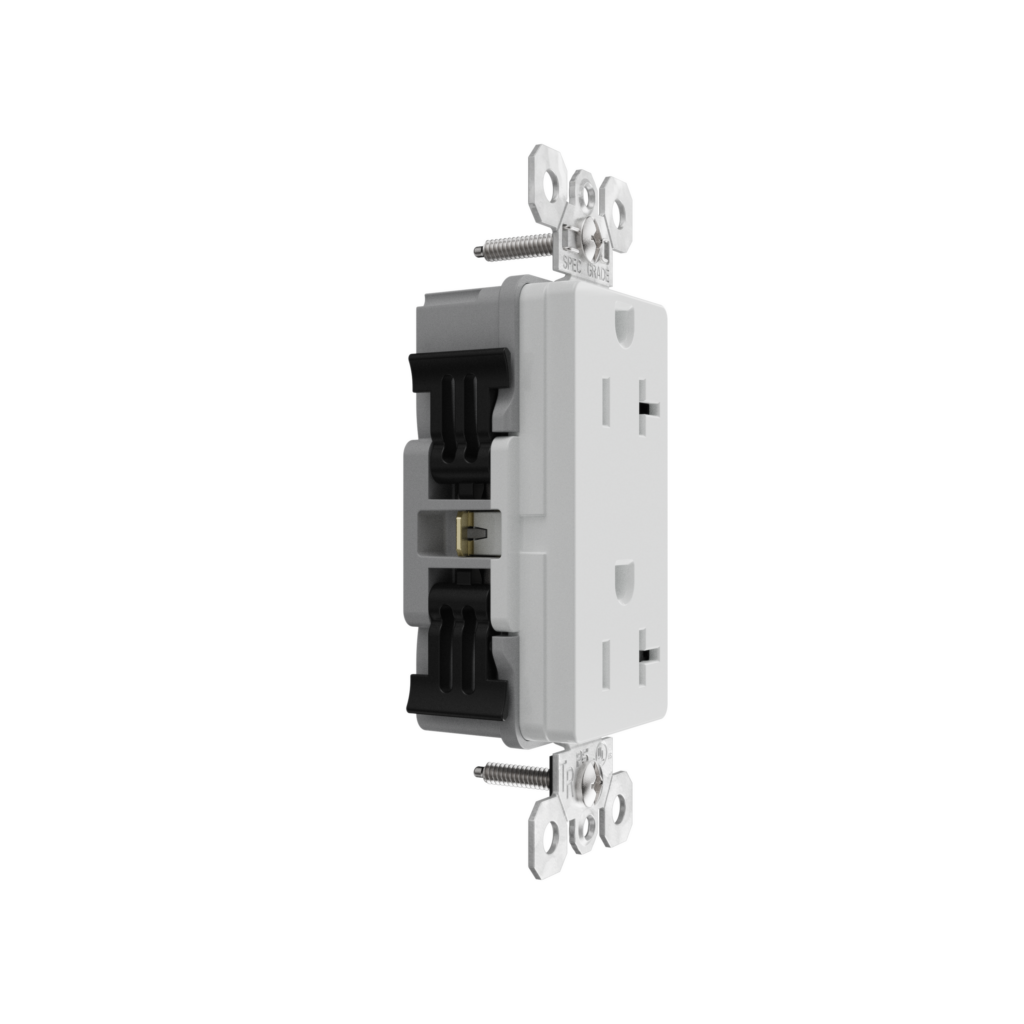
- Loss of clamping force: If contractors tighten the connection too much, the soft metal of the wire (typically copper) gets squeezed out of the clamping area when it heats up. Once the wire cools, that material doesn’t return, resulting in a weak, loose connection.
- Thermal runaway: Loose connections are dangerous because they emit too much heat due to increased resistance. This cycle of heating, expansion, and contraction further degrades the connection—a scenario known as thermal runaway—which can lead to catastrophic failure.
Over-torqued connections can fail later, leading to expensive rework and long-term liability concerns.
This is where innovative products like tool-free receptacle devices offer a complete solution to address these challenges.
Boost Jobsite Productivity and Simplify Compliance
Traditional wiring methods require expensive, specialized tools that must be regularly sent out for calibration — a process that often takes tools off the job site and costs money. Tool-free devices rely on a built-in design instead of a calibrated tool.
When a contractor secures the wire using only their hands, the force applied is limited to a safe, non-adjustable level. The device itself acts as the calibrated system, eliminating the need for separate torque documentation and simplifying NEC 1110.14(D) compliance.
In addition, when you use a product that makes an audible snap when the connection is fully closed, this instant feedback immediately tells the contractor that the wire is secure — no guessing is needed. This precision is critical because it ensures the connection is tightened just right, preventing destructive effects of over-tightening.
Safer Connections and Reduced Repetitive Strain
Choosing products built for hand control eliminates the danger of a fast-spinning drill slipping and causing injury. Tool-free installation also reduces the strain on skilled labor. Here are a two key examples:
- Ergonomic design: Features like large, flared levers are simple to grab and move, requiring less effort to close the connection. These larger levers are even designed for easy operation while wearing protective gloves.
- Reduced MSDs: For a crew installing hundreds of receptacles, eliminating the repetitive twisting motion associated with screwdrivers significantly reduces the risk of repetitive strain injuries or musculoskeletal disorders (MSDs) in the wrist and forearm. This helps improve the long-term health and retention of skilled labor.
Picture a crew installing hundreds of receptacles in a high-rise residential unit. For a mid-sized firm, eliminating two serious hand injuries a year due to drill slippage could save tens of thousands of dollars in direct medical and legal costs, plus the costs of maintaining a strong safety record.1
Maximum Efficiency and Quantified Cost Reduction
Beyond improving safety, eliminating the need for multiple tools is a major efficiency gain. It removes the mechanical variables that slow contractors down, like the need to stop and calibrate a tool.
A conventional screw terminal takes around 60 seconds to correctly terminate. However, an innovative product like the PowerHold™ wiring device is significantly faster than conventional methods, allowing contractors to create secure connections in 10 seconds or less. Imagine if a contract firm is working on wiring 5,000 devices for a multi-family dwelling. By using a device that creates secure connections faster the crew could save 50 seconds per device, which translates roughly to more than 69 hours of pure labor time saved on that project.
Easy To Use in Prefabrication and Tight Spaces
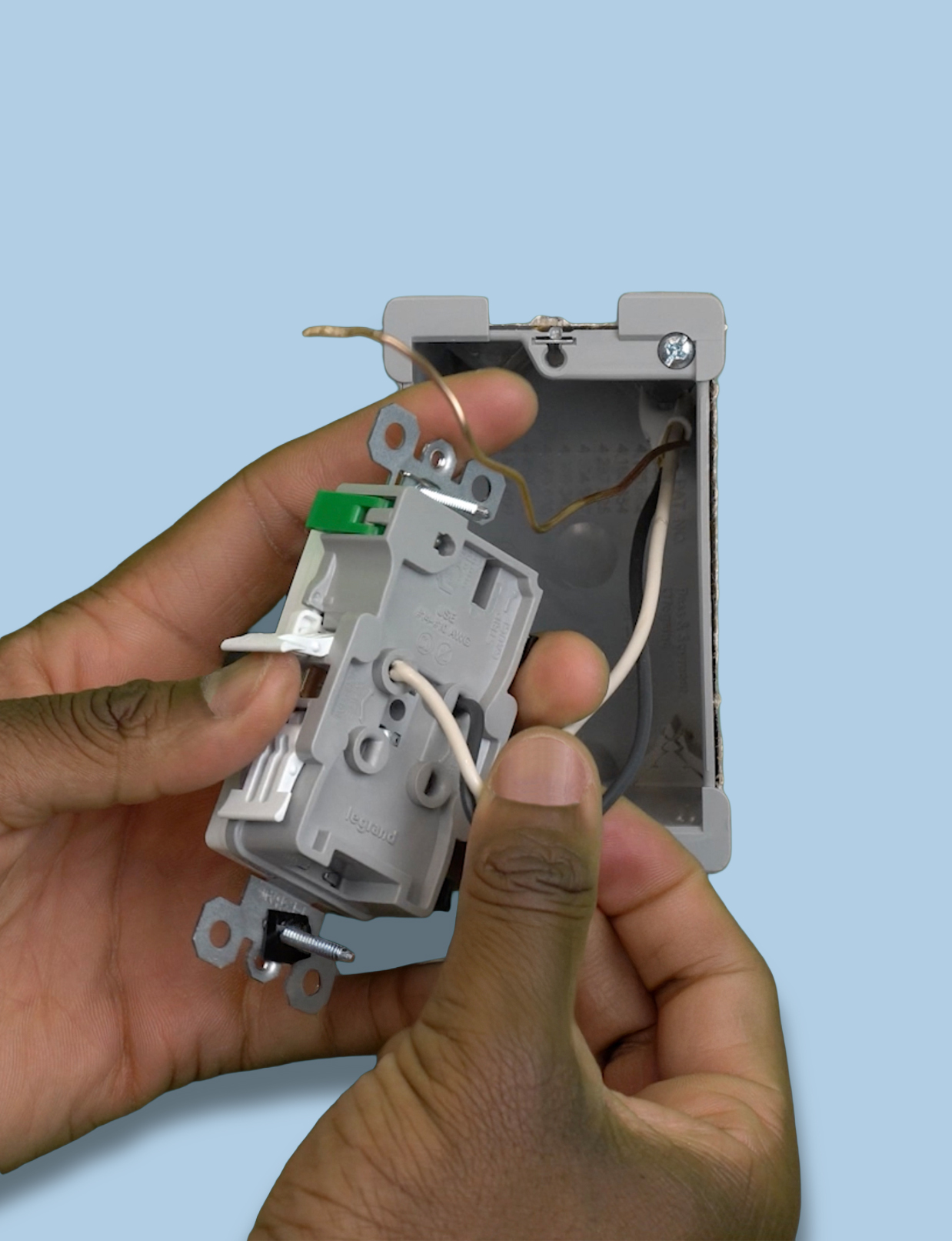
Eliminating the need for multiple tools simplifies the entire wiring process, especially for installations in tight spots. For example, in the fast-paced prefabrication environment, the color-coded levers act as an immediate visual check, cutting down the time spent verifying wire placement.
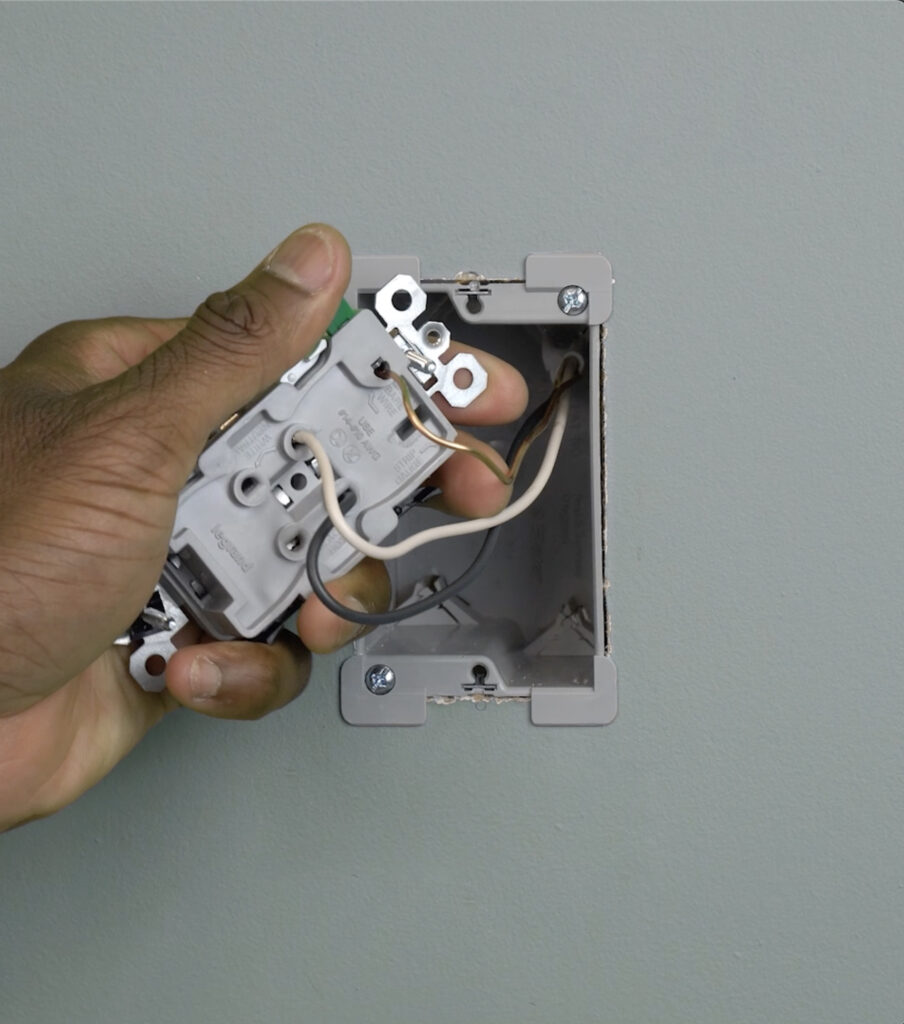
Wiring devices with a compact design are especially useful when dealing with shallow outlet boxes common in older buildings or when managing the large bundle of thick wires (like 10 or 12 gauge) required for multiple devices in one box, preventing the frustration of jamming wires that normally doubles the installation time in tight spaces.
To properly align every connection, strip guides can be built right into the receptacle device. This ensures that the wire is inserted correctly every time, boosting reliability and creating cleaner connections by stopping stray pieces of coating from fouling the contact points.
Elevating Safety, Quality, and the Bottom Line
The electrical contracting industry is constantly pressured to increase efficiency while maintaining safety and adherence to mandates like NEC 1110.14(D). By removing the reliance on variable, high-pressure power tools and replacing them with inherently calibrated, hand-controlled devices, contractors gain a significant operational advantage.
Innovative wiring devices don’t just reduce the risk of debilitating injuries and liability concerns, they transform daily work into a faster, more accurate process. Choosing products built for maximum quality and speed is no longer just about convenience; it is a decisive factor in securing a strong safety record, ensuring code compliance, and achieving a competitive edge in today’s high-volume electrical marketplace.
- Source: Understanding the Multilayered Cost of Workplace Injuries – JobSiteCare accessed November 4, 2025 https://jobsitecare.com/blog/cost-of-workplace-injuries/#:~:text=a%20Workplace%20Injury-,Direct%20Costs,injured%20worker%20or%20their%20family. ↩︎